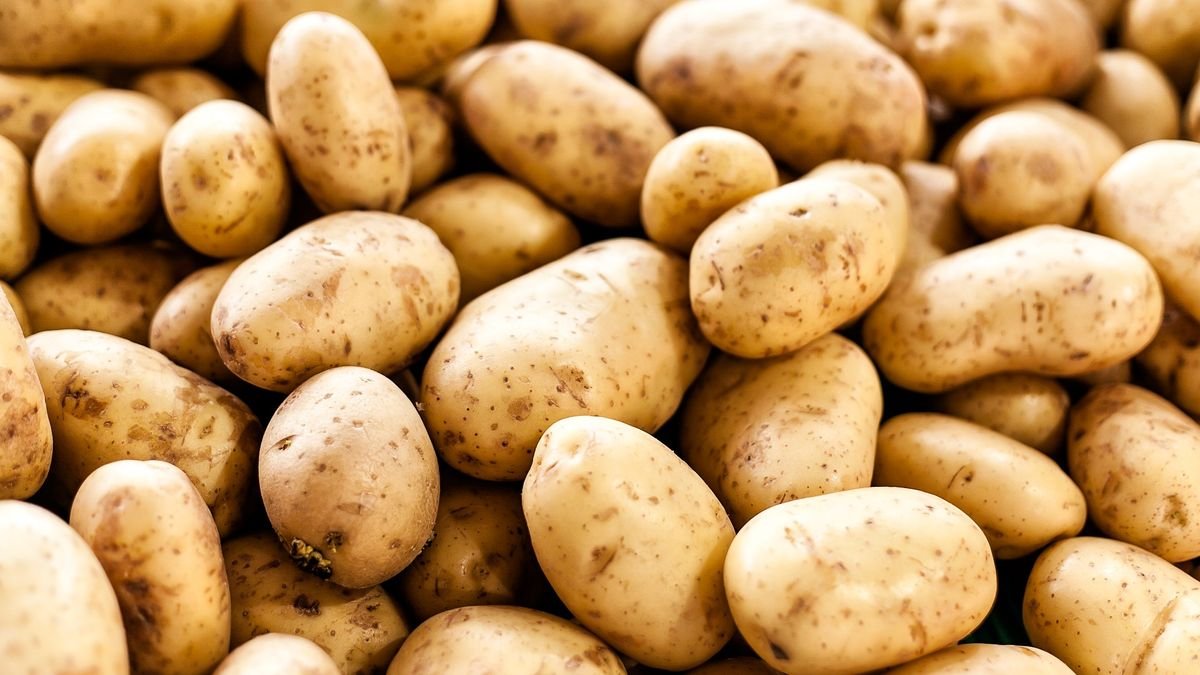
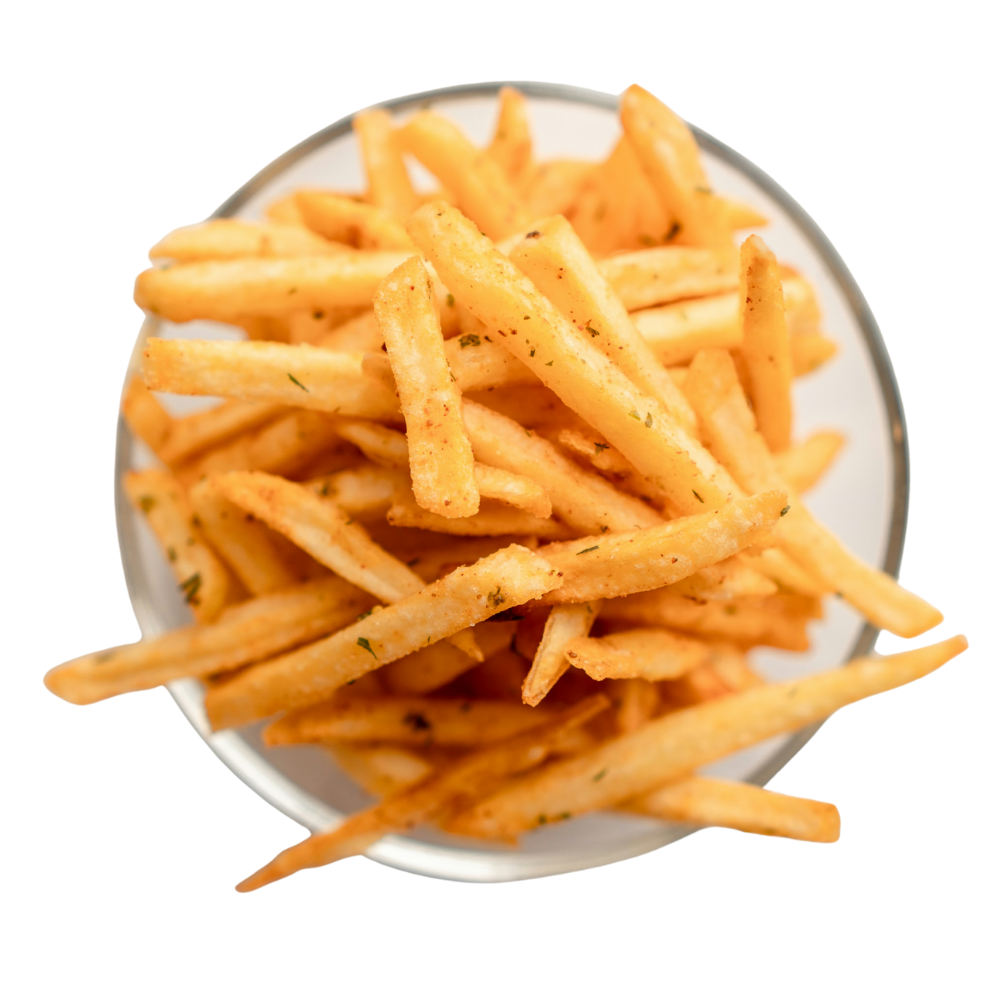
The potato (Solanum tuberosum) is a globally beloved staple known for its adaptability and satisfying substance. With a neutral, earthy flavor and a range of textures — from waxy to fluffy — potatoes can be transformed through an array of cooking methods. They serve as the foundation for classics like mashed potatoes, gratins, roasted wedges, and crispy chips. In stews and soups, potatoes add body and absorb surrounding flavors; as a standalone side, they shine when seasoned simply with salt, pepper, and aromatics. Different cultivars, such as Yukon Gold, Russet, and red potatoes, offer unique qualities: some hold shape well for salads, others become ultra-creamy when mashed. Rich in carbohydrates and dietary fiber, potatoes also provide vitamin C, potassium, and B vitamins, making them both nourishing and satisfying. Their adaptability spans cuisines — from Indian aloo dishes to European gnocchi and Latin American causa.
Potatoes store best in a cool, dark, well-ventilated place (not the refrigerator) to prevent sprouting and maintain texture. Handling them properly — rinsing to remove excess starch, cutting evenly for consistent cooking, and choosing methods based on desired outcomes — makes all the difference in your final dish. Combining potatoes with complementary ingredients like butter, cream, garlic, and herbs unlocks rich, comforting flavors, while spices like paprika, cumin, and turmeric add vibrant character. In many cultures, potatoes are celebrated for both comfort and practicality: affordable, filling, and easy to prepare. They can also be used creatively in gnocchi, rösti, and even potato bread. While often paired with heavy toppings, potatoes can be lightened with olive oil and fresh herbs for nourishing meals that balance texture and taste. Whether featured as a star or supporting player, potatoes are one of the most generous ingredients in the kitchen.